
How to Repair a Classic Nakamichi RX-202 Tape Deck Auto-Reverse System
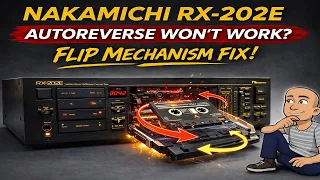
Vintage audio gear is popular again, but older electronics can break down. A common problem with old cassette decks is broken belts and worn parts. The Nakamichi RX-2022E is a special tape deck. It uses a unique auto-reverse system that spins the tape instead of the playback heads. This makes it a collector’s favorite. When this system fails, it needs a careful repair.
This blog post walks through a full repair of a faulty Nakamichi RX-2022E. We will cover the unique mechanism, the repair steps, and how to bring this classic machine back to life.
What Makes the Nakamichi RX-2022E Special
Most auto-reverse cassette decks from the 80s and 90s work in a simple way. They have a pair of stereo playback heads. When the tape reaches the end of side A, the mechanism physically rotates the heads to play side B. The tape itself does not move.
The Nakamichi RX-2022E does the opposite. It has a fixed, single set of playback heads. When the tape needs to switch sides, the deck’s mechanism quickly spins the entire tape cassette 180 degrees inside the player. This “tape flip” system is faster and more elegant. It is a signature feature of several Nakamichi models.
Over time, the parts that make this happen can wear out. The rubber belts that drive the mechanism turn soft and gooey. They lose their grip. This was the main problem with the deck shown in the repair video. The loading mechanism would not pull the tape in properly. The auto-reverse spin function also failed.
The Step-by-Step Repair Process
Fixing a deck like this requires patience. You work on one section at a time. The main goals are to replace old belts and service the idler wheel. This restores the loading and tape-spin functions.
Getting Inside the Deck
First, you must open the unit. Always unplug the deck from power first. The Nakamichi RX-2022E case is held together by screws on the sides. There are no screws on the back panel. After removing the side screws, the top cover can be lifted off.
Next, you need to remove the front panel. This gives better access to the internal parts. There are four screws along the top edge of the front panel. There are also several screws along the bottom. Once these are removed, the front panel can slide forward and off.
Replacing the Loading Mechanism Belt
With the front panel off, you can see the main circuit board. A metal plate covers the transport mechanism. To get to the belts, you must remove this plate. First, carefully unclip any cable connectors. This gives you more room to work.
After removing the plate, you will likely see the old belt. It may have already fallen off the pulleys. These belts degrade over 20-30 years. They become sticky and loose.
Here is how to replace the main loading belt:
- Clean the motor pulley and the larger capstan pulley with isopropyl alcohol.
- Place a tiny drop of light machine oil on the motor bearing. This ensures it spins freely.
- Stretch the new belt over the larger pulley first.
- Then, carefully hook the belt onto the smaller motor pulley.
- Gently turn the motor by hand to check the belt moves smoothly.
Once the new belt is on, you can reassemble the metal plate and reconnect the cables.
Servicing the Idler Wheel
The idler wheel is a crucial part. It provides the friction to turn the cassette’s reels during play, fast forward, and rewind. On the Nakamichi, this wheel is hidden behind the cassette loading tray.
To access it, you must remove the loading tray. Look for two small access screws at the bottom of the tray compartment. These screws are often very tight. They may never have been removed since the deck left the factory.
After removing these screws, you can gently bend a metal retainer clip. This allows the whole idler wheel assembly to slide out. The wheel is held on by a tiny plastic circlip. This clip is very easy to lose. Be extremely careful when removing it. Place a finger in front of it to catch it.
Once the circlip is off, you can pull the old rubber idler wheel from its post. The rubber surface becomes hard and glossy with age. It cannot grip the tape reel properly. A new rubber idler wheel should be installed. Make sure it sits squarely in its groove.
Replace the tiny plastic washer and carefully snap the circlip back into place. Before putting the deck back together, it is a good idea to test the mechanism.
Testing the Repair
After replacing the belts and the idler wheel, it is time for a test. Plug the deck into power, but do not put the case back on yet.
Insert a test cassette. The loading mechanism should now pull the tape into the deck smoothly. Press play. The tape should move and you should hear sound. Test the fast-forward and rewind functions. The idler wheel should engage and spin the reels quickly.
Now for the main event: testing the auto-reverse. Let the tape play to the end of side A. The Nakamichi should now activate its unique system. You will see and hear the mechanism quickly spin the cassette 180 degrees. It will then begin playing side B. This spin should happen in less than a second. The entire process should be smooth and quiet.
Why This Repair Matters
The Nakamichi RX-2022E is more than just an old tape deck. It represents a high point in cassette deck engineering. Its unique tape-spin auto-reverse is a clever solution. Fixing one of these decks preserves a piece of audio history. It also gives you a fantastic-sounding machine for playing vintage cassette collections.
The repair process is straightforward but requires care. The main tasks are replacing dry, cracked belts and a worn idler wheel. These are common problems in all vintage cassette decks. Learning to do this repair can save many classic audio components from the landfill.
Conclusion
Vintage audio gear can last for decades with some maintenance. The Nakamichi RX-2022E tape deck is a perfect example. Its advanced auto-reverse system is a marvel. When it breaks, the fix is often simpler than it seems.
The core of the repair is replacing perished rubber parts. New belts restore the loading and tape-spin functions. A new idler wheel restores proper tape movement. After this service, the deck should work like new. It will once again spin your tapes with that distinctive Nakamichi speed and precision.
If you have an old Nakamichi or similar deck, do not give up on it. With some basic tools and patience, you can bring it back to life. You will be rewarded with the rich sound and satisfying mechanics that made these decks famous.